How to Determine Oil Change Intervals?
October 13, 2025
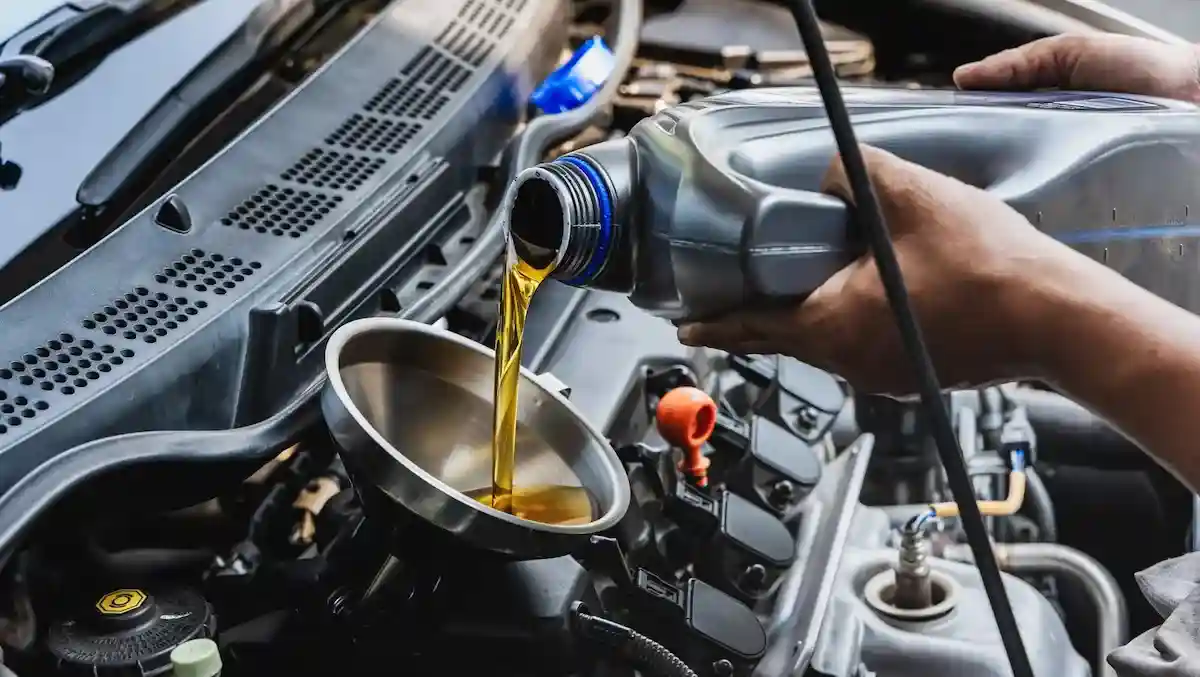
Motor oil is a vital fluid circulating in the heart of your vehicle. It reduces friction between engine parts, prevents wear, and helps balance heat. However, no motor oil lasts forever. Factors such as usage conditions, driving environment, engine age, and oil quality directly affect oil change intervals.
So, how can we give a clear answer to the question: “How are oil change intervals determined?” Here is a detailed guide with AVTOIL’s expert approach.
Oil Aging and Oxidation Process
Every oil ages over time. This can happen not only with low-quality oils but also with premium ones.
-
Piston rings inside the engine may allow combustion products to leak into the oil pan.
-
Fuel’s chemical components can react with the oil, leading to oxidation.
-
Oxidized oil thickens and loses its fluidity.
This process causes the engine to work harder, increases fuel consumption, and accelerates part wear.
The Importance of Oil Check
If the oil warning light on the dashboard doesn’t go out immediately after starting the engine, it’s not just about the oil level but also its condition.
Key Signs:
-
If the oil darkens quickly and drips slowly from the dipstick, oxidation may have started.
-
Oil that never darkens may not be trapping dirt and particles, meaning it’s not doing its job.
-
Even if the warning light doesn’t turn on, manual checks should be performed.
Especially in small-capacity engines, oil loss can have far more serious consequences. That’s why regular visual checks are essential.
Factors Affecting Oil Change Intervals
The oil change period doesn’t depend solely on the manufacturer’s recommendation. The following factors can significantly alter the interval:
1. Engine Operation
-
Engines that run continuously for long periods consume oil faster.
-
Frequent stop-and-go driving shortens oil life.
2. Driving Habits
-
Aggressive driving, sudden acceleration, and steep hills accelerate oil degradation.
-
Vehicles used for heavy cargo transport wear out oil faster.
3. Oil Quality
-
Fake or low-quality oils degrade quickly.
-
High-performance oils like AVTOIL last longer.
4. Environmental Conditions
-
Dusty roads, polluted air, and industrial smoke dirty oil faster.
-
Hot and cold weather affect oil fluidity.
Optimizing Oil Change Intervals
With proper maintenance and usage, oil change intervals can be extended.
In a well-maintained engine, oil stays clean longer.
In diesel engines, improved fuel efficiency reduces oil change frequency.
High-quality filters delay oil contamination.
Oil Change in Modern Vehicles
In the 1950s, trucks needed an oil change every 500 miles. Today:
-
Thanks to advanced filter technology, oils can last up to 25,000–50,000 miles.
-
However, even two identical cars may require oil changes at different mileages.
The main reasons for this difference are:
-
Engine condition and maintenance history
-
Driver’s habits
-
Oil specifications
Fuel Efficiency and Combustion Process
Oil change intervals are directly linked to fuel efficiency. When combustion efficiency decreases:
-
Dirt, soot, nitrogen oxides, and hydrocarbons mix with the oil.
-
Oil gets dirty faster and loses its function.
Therefore, combustion efficiency should be checked regularly.
Impact of Contaminants on Oil Quality
Oil quality is affected not only by usage time but also by external contaminants.
Main contaminants:
-
Sludge (moisture + dirt particles)
-
Soot
-
Water (reduces lubrication quality)
-
Coolant (increases oxidation risk)
-
Fuel leakage (thins the oil)
These factors drastically shorten oil life.
Engine Age and Usage Conditions
-
Older engines that run for long periods need more frequent oil changes.
-
Newer engines, thanks to advanced engineering, have longer oil life.
-
Trucks carrying heavy loads require more frequent changes than city cars.
Effect of Hot and Cold Weather
-
Hot weather causes oil thinning and speeds up oxidation.
-
Cold weather thickens oil and makes the engine strain.
In both cases, oil fluidity deteriorates, shortening the oil change interval.
Harsh Roads and Driving Conditions
On dusty, rocky, or uneven roads, engines consume more oil than normal. Especially:
-
Steep inclines
-
Heavy cargo transport
-
Stop-and-go traffic
are the main factors accelerating this process.
Importance of Choosing the Right Oil
To determine the correct oil change intervals:
-
Check the vehicle manufacturer’s manual.
-
Consider climate conditions.
-
Prefer high-quality motor oils like AVTOIL.
The Golden Rule of Determining Oil Change Intervals
Oil change is indispensable for engine health. But the idea that “every vehicle needs an oil change at the same mileage” is wrong.
Engine age
Oil quality
Driving conditions
Climate environment
are the most critical factors that determine oil change periods.
At AVTOIL, we always provide our users with high-quality oils and accurate maintenance advice. Create your oil change schedule with professional support to extend your vehicle’s life and boost performance.